Workforce Identity Assurance
Fake candidates never make it into your pipeline.
Polyguard PreScreen confirms a real, present person behind every application before it lands in your queue. Your hours go to the candidates who will actually show up for the call, inside the ATS you already run.
Most customers are live in less than an hour.
Works with the ATS you already run





Candidates automatically move to the next stage in your ATS once the check is passed.
The problem
Hundreds of automated applications are wasting your time, and the best candidates are getting lost in the noise.
AI agents are tailoring and submitting applications to thousands of jobs at once. Many of those applicants never reply to recruiter outreach or show up for a scheduled call.
The CAPTCHA on your existing application form was built for a different generation of bots, and can’t stop the new ones.
“Small companies simply don’t have the human resources and recruiting teams to review such an avalanche of applicants.”
What a Trust Check is
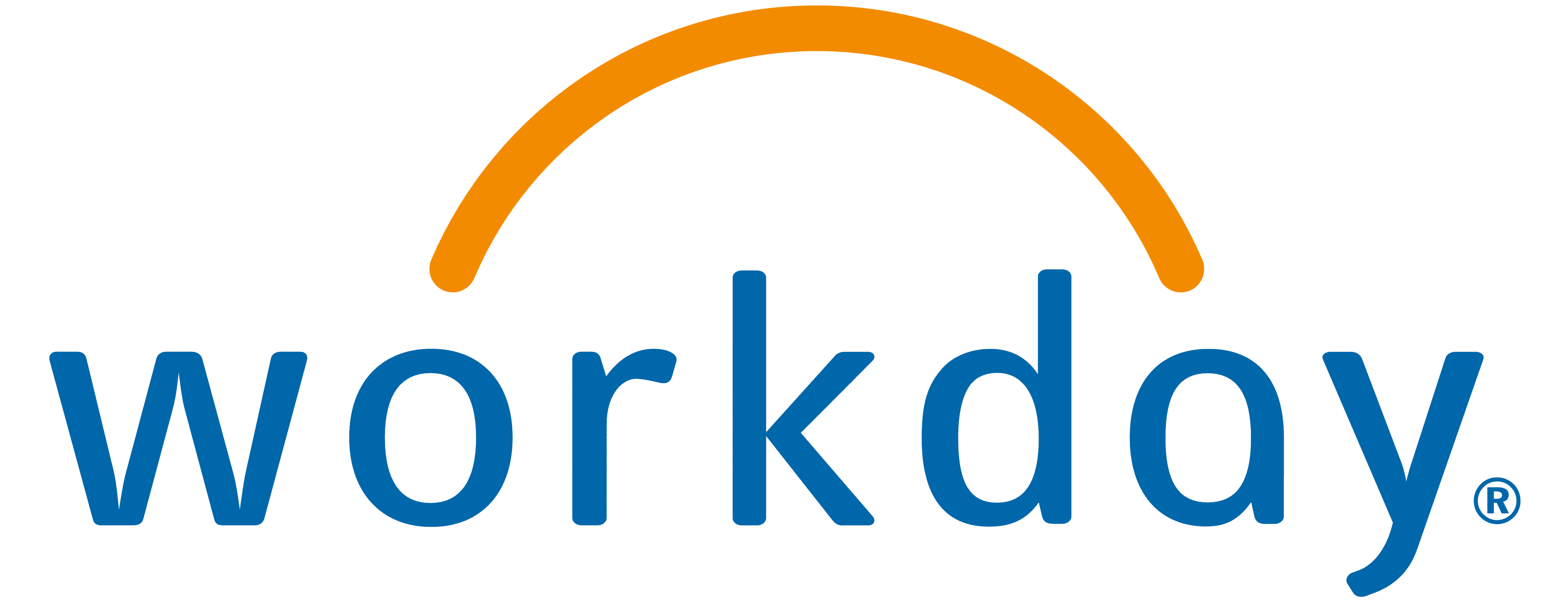
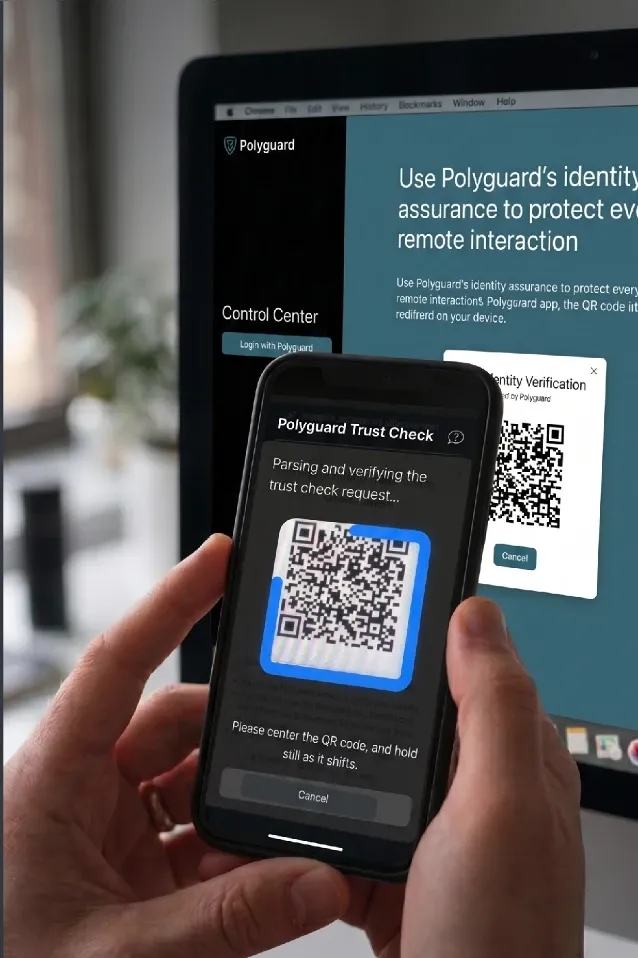
The candidate scans a code with their phone. It’s easy for them... but impossible for a bot.
Polyguard confirms a real, present person on the candidate’s own device, then returns the result to your flow. Most candidates never have to install anything.
- Hardware attestation blocks emulators
- Works on any iPhone or Android device
- Blocks all forms of automation, even new browser-based AI agents
How PreScreen works
PreScreen verifies each candidate’s physical presence, no matter how they apply.
PreScreen confirms that a real human is present behind each application before it reaches your recruiting team. Submissions that can’t clear that bar don’t make it into the pipeline. Recruiters spend their time on people who will actually show up for the next step.
On hosted or embedded job boards
The Trust Check is part of the application form.
Through third-party sites like LinkedIn
Applicants receive a Trust Check by email within seconds.
What customers say
As a small team, we can’t afford to spend recruiter hours on applicants who were never going to engage. PreScreen filters them out at the application step without slowing down the candidates we actually want to talk to.
We were seeing applications come in faster than our team could work through them, and many of those candidates never showed for the call. PreScreen confirms there’s a real person behind each application before it reaches us. It went live the same day and our recruiters got their time back.
Analytics dashboard
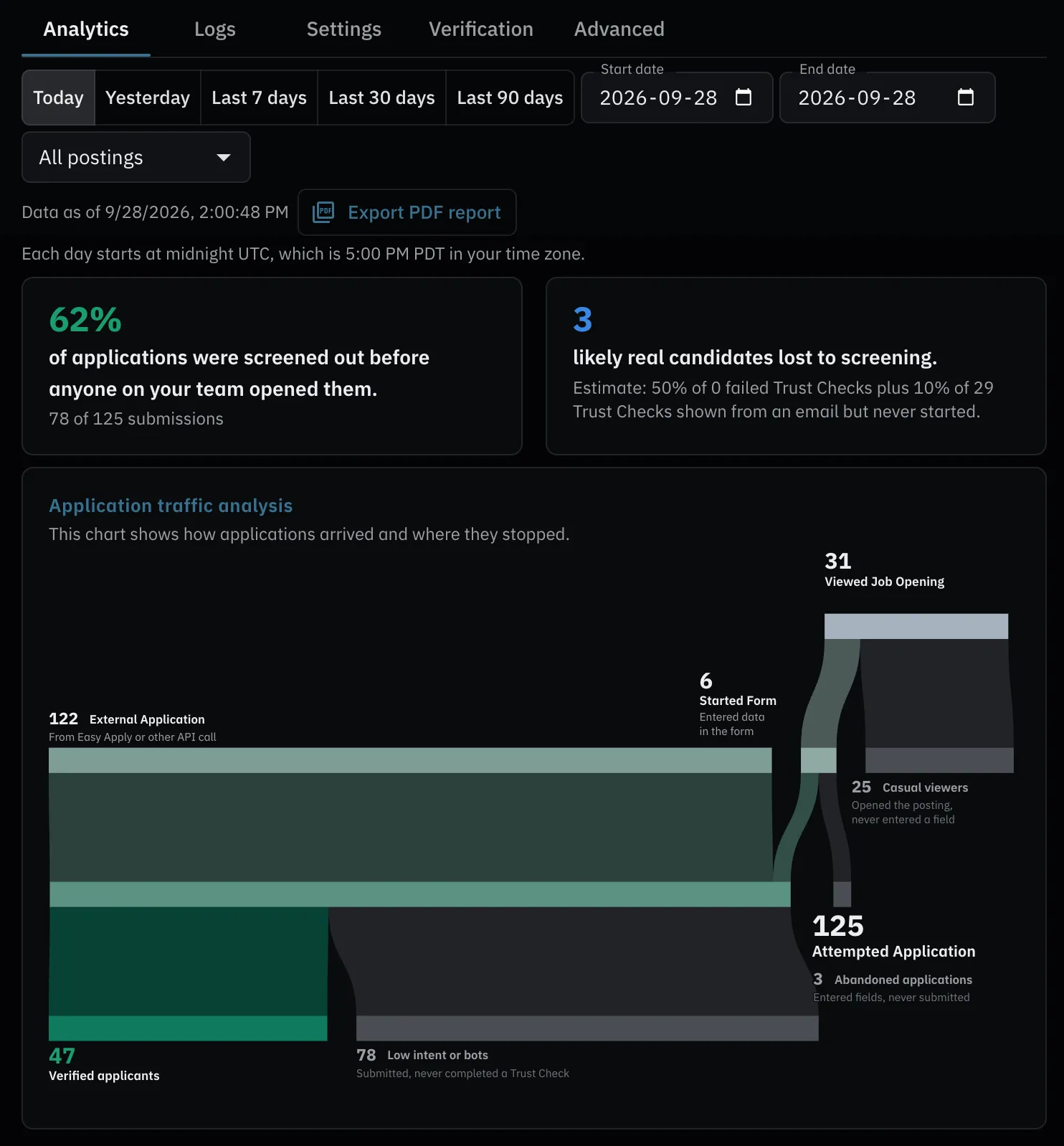
See verification outcomes across every role.
- See what share of submissions never reached your team
- Trace how applications arrived and where they stopped
- Filter by posting and date range
- Export a PDF report
Every check is logged for audit and compliance reporting.
Why PreScreen
Recruiter time, protected.
Stops AI-powered auto-apply
Live human verification defeats in-browser AI agents.
No added friction
Embeds directly into your existing application flow; most candidates won’t even have to download anything.
No integration pain
Syncs with your existing ATS, and drops into your careers page easily.
No implementation delays
Most customers fully onboarded the day they sign up, without IT involvement.
Trust, privacy & compliance
A real human confirmed, with no personal information collected.
PreScreen confirms a real human without collecting any personal information from the candidate, which keeps the product clear of the privacy and data-handling questions that typically come with identity verification. The same Trust Check runs for every applicant, with no protected-class signal collected or used, so the EEOC posture is straightforward.
Beyond applications
Protect the complete employee lifecycle.
Fake candidates are a waste of time, but fake employees are a serious security threat. Polyguard’s progressive verification keeps your company safe, whether your employees are the attackers or unwitting accomplices.
Polyguard PreScreen
Verifies every applicant before they reach your ATS. Stop bot-submitted, synthetic, and fraudulent candidates at the source.
Learn more →Polyguard ScreenTest
Stops deepfake candidates and proxy interviews. Verify every candidate’s real identity before and during remote interviews.
Learn more →Polyguard AuthPoint
Binds phishing-resistant multi-factor authentication to a verified, present person, not just a device or a code.
Learn more →Polyguard TicketWatch
Stops social engineering attacks on your help desk. Automate employee identity confirmation before any account change.
Learn more →Add additional checks when appropriate.
Confirming a real human is the default. Layer in additional proofs for the roles that need them.
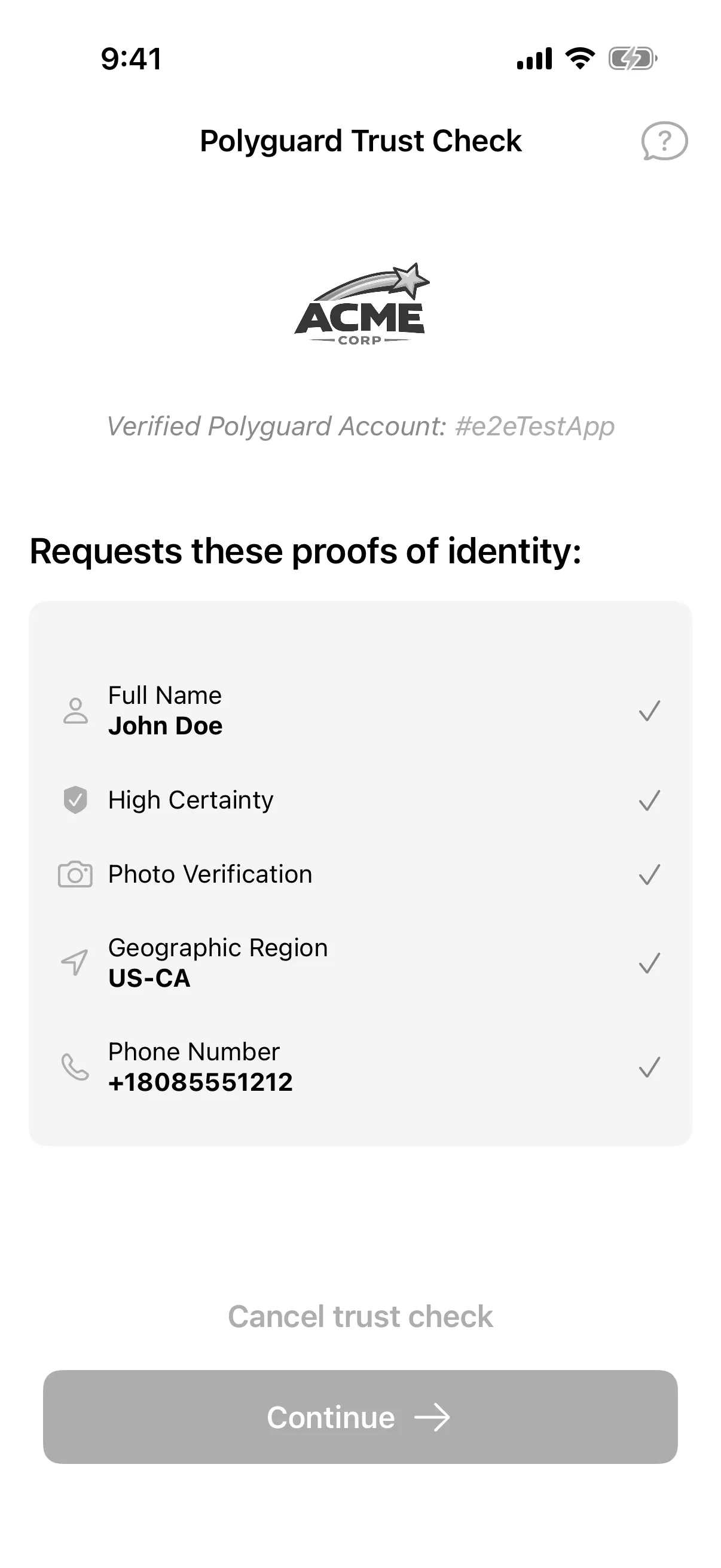
Location geofence
Confirm the candidate is applying from an allowed country or region.
Government identity
Government-issued ID matched to the applicant with real-time facial recognition. Documents accepted from 180 countries.
Phone number
Confirm control of a real phone number with a one-time passcode.
When additional proofs are requested, Polyguard prompts candidates for:
- Their specific consent for each piece of data
- Every time it is being shared
- With details about with whom it is shared
The proofs shared are posted directly to the receiving endpoint, and not shared with any third party. The underlying credential remains encrypted on the end-user’s local device.
From the Blog
Threat intelligence, product deep dives, and industry perspectives.
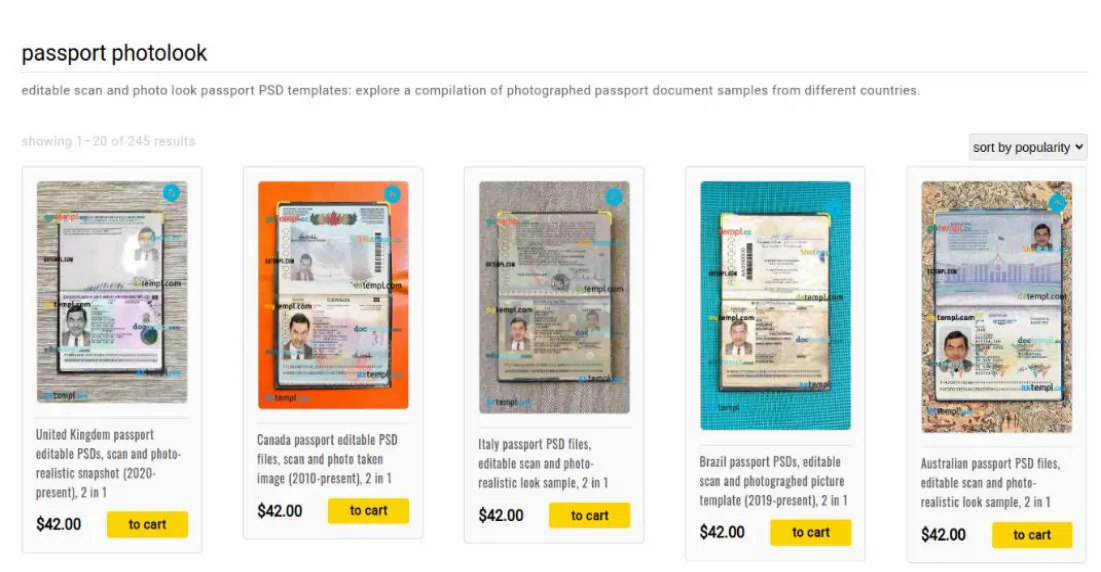
Types of Fraud in Remote Hiring
Remote hiring fraud is evolving from simple resume misrepresentation into coordinated, high-risk threats that can lead to data breaches, financial loss, and even sanctions exposure. This blog breaks down the key types of hiring fraud, from proxy candidates to state-sponsored schemes, and explains the tactics attackers use to bypass traditional hiring and identity checks.
March 31, 2026
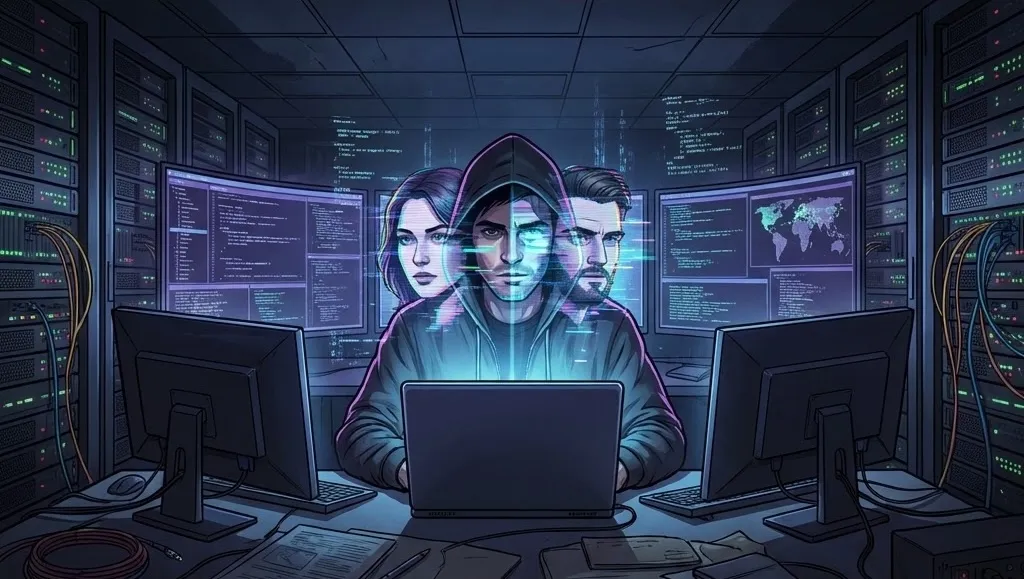
The AI Era Demands a New Identity Vendor
Securing modern hiring workflows now requires a new kind of identity vendor. Legacy identity verification and access platforms were built to check documents or manage employees after hire, not to stop AI-driven impersonation in hiring. This post explains why those systems cannot close the gap and what capabilities a modern identity vendor must provide.
March 14, 2026
The Binding Problem in Remote Hiring
Most hiring pipelines rely on separate systems like an ATS, background check vendor, interview platform, and HR system. Each step verifies its own piece for compliance, but none confirms that the same person remains present throughout, leaving a compliant audit trail tied to an unconfirmed subject and a structural gap remote hiring fraud now exploits.
March 4, 2026
Real People. Proven.
PreScreen your next open role
Hundreds of applications arrive for every open role, and most of them were never going to reply to your outreach. PreScreen stops those before a recruiter opens them, so the hours go to candidates who cared enough to prove they are real. Most customers are live in less than an hour.
Starts at
$120 /month
You pay for the roles you’re actively recruiting against. The price stays flat regardless of how many applications come through.
See pricing →