The AI Detection Paradox
 As AI detection technologies evolve, they inadvertently serve as training modules for generating more deceptive deepfakes.
Cybersecurity fundamentally relies on identifying and neutralizing threats before they can do harm. Robust systems, like antivirus programs and spam filters, epitomize the success of a detection-centric approach in digital security. However, in the rapidly evolving tech landscape, this reliance on detection is revealing limitations that could inadvertently exacerbate the very issues it aims to mitigate.
The rise of deepfakes
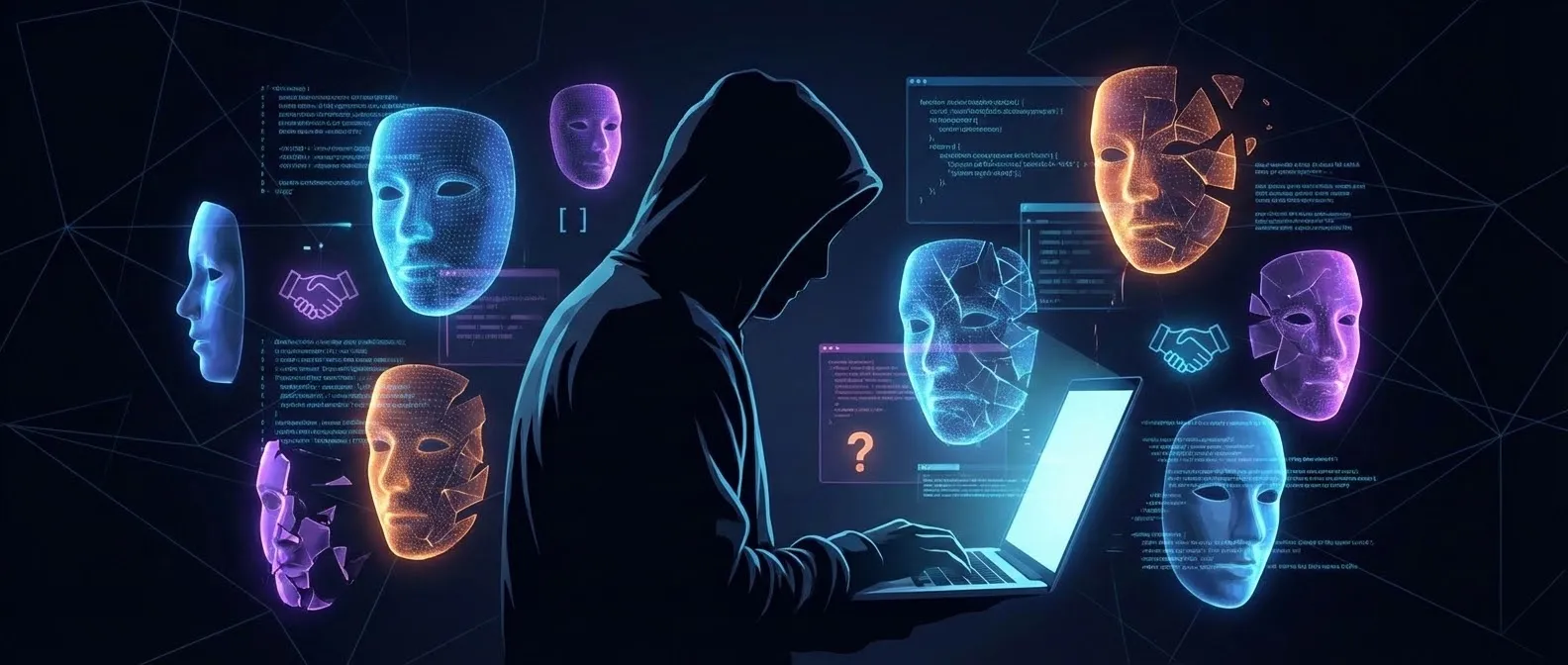
At the forefront of this challenge are deepfakes—highly realistic forgeries created using artificial intelligence. At the core of this technology is what’s known as Generative Adversarial Networks (GANs), which involve two AI components: a generator that creates images or videos, and a discriminator that attempts to detect the fakes. With GANs, the generator continues generating better and better deepfakes until the discriminator can no longer properly identify them as fake.
The Detection Paradox explained
This presents a troubling cycle known as The Detection Paradox. As detection technologies evolve, they inadvertently serve as training modules for generating more deceptive deepfakes. Each enhancement in our ability to spot fakes informs and refines the algorithms that produce them, turning our advances into their advances. Ultimately, our strides in detection not only fail to curb the proliferation of fakes but actually aid in their evolution, making them increasingly difficult to recognize.
The limitations of detection
The effectiveness of detection technologies is often misunderstood. A failure to identify a fake does not confirm authenticity; rather, it might simply mean the detection system was outmaneuvered. This can lead to a dangerous false sense of security among users who might trust content that has merely evaded detection. While detection is invaluable for platforms that manage large volumes of data, it is less effective for individuals trying to discern the veracity of digital information or people they encounter.
The appropriate role for detection
The effectiveness of detection technologies is often misunderstood. A failure to identify a fake does not confirm authenticity; rather, it might simply mean the detection system was outmaneuvered. This can lead to a dangerous false sense of security among users who might trust content that has merely evaded detection. While detection is invaluable for platforms that manage large volumes of data, it is less effective for individuals trying to discern the veracity of digital information or people they encounter.
Want to see Polyguard in action?
Experience real-time identity verification for your communication security.